Rot Repair in Everett, WA
We find out how far the rot goes in your deck, repair the boards and framing that need it, and fix the water problem that caused it.
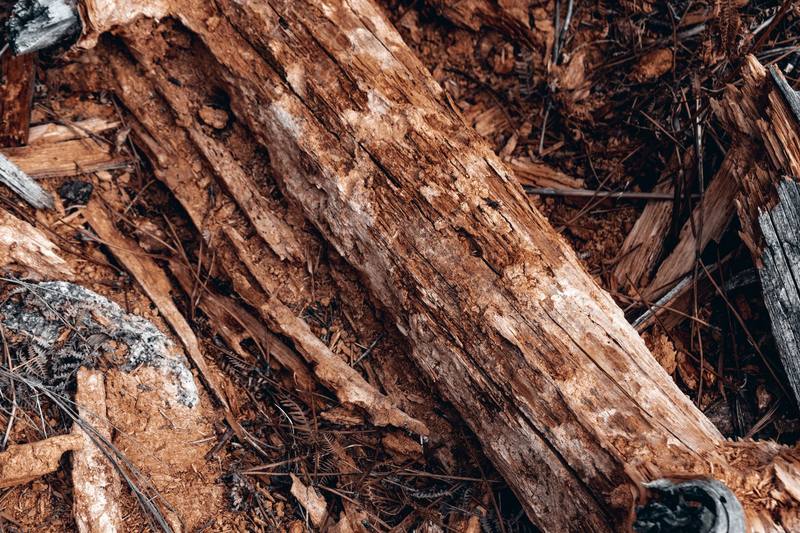
Everett's long wet season is hard on decks, and rot usually starts in places you can't see. We check the boards, joists, posts and ledger, tell you plainly what needs repair, and fix the cause so the new wood lasts. Call (425) 010-0006 or request a deck estimate and we'll come take a look.
How to tell if your deck has rot
Rot rarely shows itself early. On most decks around Everett it starts where water sits and the wood stays damp: the ends of deck boards, the tops of joists under the boards, the ledger board where the deck meets the house, and the bottoms of posts. If a board already feels soft underfoot, the framing under it has often been wet for several seasons.
Walk the deck slowly and look for these signs:
The screwdriver test is the most useful check you can do yourself. Push the tip into the wood at a spot you're unsure about. Sound wood pushes back and leaves a small dent. Rotten wood lets the tip sink in with little effort. Check under the deck as well as on top, because the worst damage is often out of sight.
- Boards that flex, sag or feel spongy when you step on them
- Dark, stained wood that stays damp long after the rain stops
- Screws or nails that have backed out or spin in their holes
- Moss, fungus or small mushrooms growing from joints or post bases
- Wood that crumbles or breaks into small cubes when you press on it
- Railing posts that move when you push them
What causes deck rot in Everett
Rot is a fungus. It needs moisture, air and wood to grow, and Everett supplies the moisture for most of the year. Long stretches of rain in fall, winter and spring, mild temperatures and short summers mean a deck may never fully dry out between October and June.
Shade makes it worse. Many lots in Everett and the nearby neighbourhoods sit under tall firs and cedars. Decks on the north side of a house or tucked under trees stay wet longer and collect needles and leaves. That debris packs into the gaps between boards and holds water against the wood.
How the deck was built matters too. These are the most common causes we see:
Many Everett homes are older, and their decks were often added or extended years after the house was built. Those additions sometimes used framing methods and fasteners that are no longer considered good practice, and that's usually where we find the deepest rot.
- Missing or failed flashing at the ledger, so water runs behind the board and into the house rim joist
- Boards laid too tight, so water and debris can't drain through the gaps
- Posts set directly in soil or buried in concrete with no post base
- Bare joist tops, so water sits right where the boards are fastened
- A finish that has worn away and left bare wood open to the weather
Repair or replace: how we decide
The answer depends on where the rot is and how far it has spread, not on how the surface looks. A few soft boards over a sound frame is a simple repair. Rot in the ledger, the posts or several joists is a bigger job.
When a repair makes sense
When replacement is the better call
What a rot repair visit involves
We start with an inspection. We check the boards, then go under the deck to look at the joists, beams, posts, footings and the ledger connection. We probe suspect spots, look for water staining on the house side, and note anything that affects safety, such as loose railings or stairs.
Then we tell you what we found in plain terms and what we recommend fixing, most important first. You get a written estimate before any work starts.
The repair itself usually goes in this order:
New wood won't match weathered boards in colour right away. We can go over staining options so the repaired area blends in over time.
- Remove the damaged boards to expose the framing
- Cut out rotten wood back to sound material
- Replace or sister damaged joists, and replace posts or beams where needed
- Add or replace flashing at the ledger and protect the tops of the joists
- Install new boards and fasteners that match the existing deck as closely as we practically can
- Seal or stain the new wood so it's protected before the next wet season
When rot becomes a safety problem
A soft deck board is an annoyance. A rotten ledger, post or stair stringer is a structural problem. On many decks the ledger carries a large part of the load, and if it fails the deck can pull away from the house. Rotten posts can shift or give way, and stairs with decayed stringers can collapse under someone's weight.
If you see a deck pulling away from the house, a post that has visibly moved, a railing that gives when you lean on it, or stairs that bounce, keep people off that area and call us. We handle emergency deck repair like this during our regular hours. We don't offer after-hours service, so if something fails in the evening or on a Sunday, block off the area and call us when we open.
We repair rot on decks in Everett and nearby towns, including Marysville, Mukilteo, Lynnwood, Mill Creek and Lake Stevens.
Keeping rot from coming back
You can prevent most rot with a little attention each year. Around Everett, late summer is the best time to do it, before the rain comes back.
If you're not sure what shape your deck is in, a deck inspection is a sensible place to start. It will tell you whether you're looking at a small repair, a larger one, or nothing that needs work yet.
- Sweep needles and leaves off the deck and clear the gaps between boards
- Trim back shrubs and branches so air and light can reach the deck
- Lift planters, mats and furniture off the boards over winter so water can drain
- Make sure gutters and downspouts don't dump water onto the deck or near the posts
- Re-stain or re-seal bare wood before it turns grey and cracks
- Look underneath once a year for staining, soft spots or loose fasteners
FAQ
Common questions about rot repair
Look under the deck at the joists, beams, posts and the ledger where the deck attaches to the house. Push a screwdriver into any dark or stained spots. If it sinks in easily, the frame is affected. When you can't get underneath safely, an inspection will tell you how far the rot goes.
Yes, if the framing underneath is sound. Once the old boards are off we check the joists below them, because rot in the boards often means the joist tops are wet as well. If the joists are fine, we replace the boards and leave the rest of the deck alone.
Treated wood resists decay better than untreated wood, but it can still rot. Cut ends, wood that sits in constant contact with water, and boards that never dry out are the usual trouble spots. That's why flashing, drainage and joist protection matter as much as the type of wood.
Not exactly at first. New wood is lighter than boards that have weathered for years. We match the size and type of board as closely as we practically can, and staining the whole deck afterward is the easiest way to even out the colour.
That depends on how much rot we find and whether it's in the boards or the framing. Replacing a few boards is a much smaller job than replacing joists, posts or a ledger. We give you a timeline along with the written estimate, before any work starts.
Get Started
Tell us what your deck is doing
Call (425) 010-0006 or send a note through the form. Tell us about the deck and what you have noticed, and we will set up a time to look at it.