Deck Repair in Everett, WA
We fix soft boards, loose railings, failing stairs and rotted framing so your deck is safe to use again.
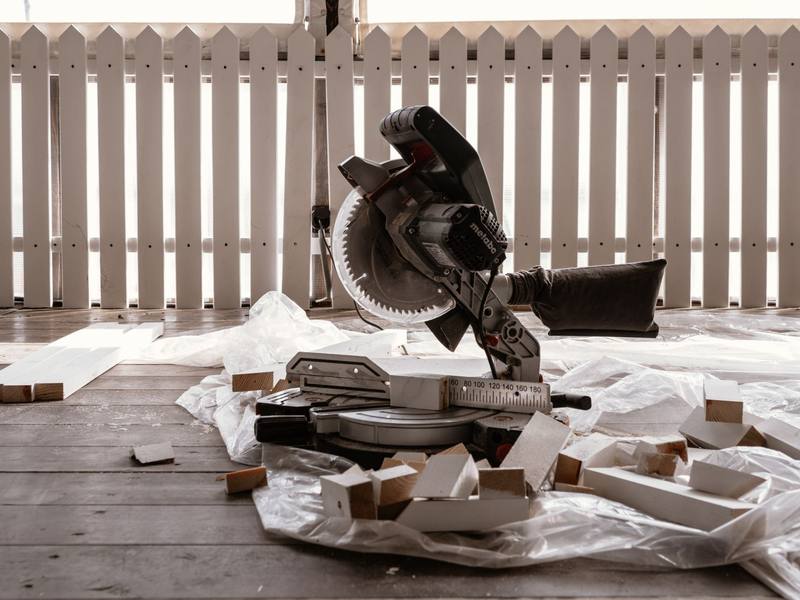
Most decks don't fail all at once. They give small warnings first: a board that flexes, a post that has started to lean, a railing that moves when you lean on it. We find what is causing the problem, fix it properly, and tell you plainly whether the rest of the deck is sound.
What to look for on an aging deck
Start with a slow walk across the deck. Pay attention to anything that feels soft, bouncy or uneven under your feet. A board that gives a little when you step on it may only be worn, or it may be sitting on a joist that has started to rot. You can't tell which from the top, so treat it as worth checking.
Next, look at the railings. Grab the top rail at a few points and push firmly. A guardrail should feel solid. If it shifts, the posts may be loose at their base, the fasteners may have rusted, or the wood around the bolts may have softened. On a deck that sits well above the ground, a loose railing is the repair we would put first.
Then go underneath if you can. Look at the ledger board, the piece that attaches the deck to the house, and at the posts and footings.
- Dark, crumbly or stringy wood, especially where boards meet joists
- Rust streaks or white powder around nails, screws, joist hangers and bolts
- Gaps opening up between the ledger and the house wall
- Posts that lean, sit in standing water, or have split at the bottom
- Stair stringers that are cracked, soft, or pulling away at the top
- Popped nail heads and boards that have cupped or split along their length
What usually causes deck damage in Everett
Water causes most of what we repair. Wood that gets wet and dries out quickly lasts a long time. Wood that stays damp for weeks at a time does not. In Everett the rainy season is long, and many decks sit in shade from the house, a fence or tall evergreens. Those decks rarely dry out fully between fall and spring, and that is when rot gets started.
Moss and algae make it worse. They hold moisture against the surface and make boards slippery. Fir needles and leaves collect in the gaps between boards and on top of joists, where they trap water in exactly the places you can't see.
Rot usually starts in the same few spots: the tops of joists under a board seam, the ends of boards, the bottoms of posts and the ledger. A ledger installed without proper flashing lets water run behind it and into the house framing. That is the most serious problem we find, because it affects both the deck and the wall it is attached to.
Fasteners are the other common cause. Older decks were often built with nails and hardware that were never meant for treated lumber or for constant damp. Over time they corrode, lose their grip, and the joints loosen. Near the water in Everett, salt air can speed that corrosion up.
Repair or replace: how we help you decide
Not every tired deck needs to come down. If the framing is sound and the damage is limited to some surface boards, a section of railing or one set of stairs, repair is usually the sensible choice. We replace what has failed, match it as closely as the existing material allows, and leave the rest alone.
Replacement starts to make more sense when the problems are in the structure rather than on the surface. If several joists are soft, the ledger is rotted or was attached badly, the posts sit on footings that have shifted, or the deck was built in a way that doesn't hold up, patching it tends to cost more over the years than starting over.
Here is how we usually think about it:
- Surface boards worn or split, framing solid: repair or replace the boards
- A few soft joists in one area: sister or replace those joists and the boards above them
- Loose railing posts: re-fasten with proper hardware, or replace the posts
- Rotted ledger or widespread joist rot: talk about replacing the deck
- Footings that have sunk or moved: repair if isolated, replace if the deck has racked out of square
We will tell you which group your deck falls into and why. If a repair would only buy you a season or two, we say so, and you decide what makes sense for your budget.
What a repair visit involves
We start by looking. We walk the surface, test the railings, check the stairs and get underneath to inspect the framing, the ledger and the footings. We probe suspect wood with a tool rather than guessing from the colour. If something we find needs a closer look before we can give you a clear answer, we tell you that rather than giving you a number we can't stand behind.
After the inspection we explain what we found, show you the problem areas, and give you a written estimate that separates what needs doing now from what can wait. Nothing starts until you have agreed to it.
On the repair day, we protect the area around the deck, remove the damaged material and check the wood around it. Sometimes rot runs further than it looked from above. When that happens we stop, show you, and agree the extra work with you before going on. New framing goes in with fasteners and hangers suited to treated lumber, and we flash the ledger and board ends where water was getting in.
When we finish, we walk the deck with you, show you what was replaced and point out anything we noticed that you may want to keep an eye on. We clean up and take the old material away.
Deck repair and Everett's homes and weather
Everett has a wide mix of houses, and the decks reflect that. Older homes in the north end often have decks that were added years after the house was built, sometimes more than once, with framing styles that don't match from one section to the next. Newer homes in south Everett are more likely to have a single deck built with the house, often with a second-storey deck off the kitchen.
Hillside lots are common around the city, so many decks sit high on one side and close to the ground on the other. A high deck puts more load on posts, bracing and railings. A low deck has the opposite problem: very little airflow underneath, so the framing stays damp longer.
The weather pattern matters too. Long stretches of light rain, cool temperatures and short winter days mean wood stays wet for months. Freezing is less of a problem here than in colder places, but a slick, moss-covered deck in winter is a real fall risk, especially on stairs. When we plan a repair in Everett, we pay as much attention to drainage and airflow as to the wood itself.
Keeping a repaired deck in good shape
Once the repair is done, a little routine care goes a long way. Most of it is about letting the wood dry out.
Sweep needles and leaves off regularly and clear the gaps between boards so water can drain through. Keep planters, mats and furniture from sitting in one spot all winter, because the boards underneath stay wet. Trim back shrubs that crowd the edges of the deck, and keep the area underneath clear of stored items that block airflow.
Check your railings and stairs each spring by pushing on them firmly. Look under the deck for new rust stains or soft spots. A fresh coat of stain or sealer every few years helps the surface shed water, and it is much cheaper than replacing boards. If something starts to feel wrong, call early. A small repair caught in spring is much easier than a structural one found after another wet winter.
FAQ
Common questions about deck repair
Push hard on the railings, walk the whole surface and look underneath at the ledger, posts and joists. Soft or crumbly wood, loose railings, rusted hardware or a gap between the deck and the house are all reasons to stop using that area until it is checked. If you are unsure, we can inspect it and tell you what we find.
Yes, if the framing underneath is sound. We check the joists below any board we replace, because rot in the surface often means the top of the joist is soft too. If it is, we repair the joist at the same time so the new boards have something solid to fasten to.
It depends on where the damage is. Worn boards, a loose railing or a tired set of stairs are usually worth repairing. A rotted ledger, widespread joist rot or footings that have shifted usually point toward replacement, and we will explain our reasoning either way.
Long wet seasons, shade and poor airflow keep wood damp for months at a time, and damp wood is where rot starts. Debris in the board gaps and on top of joists holds moisture in place. Better drainage, regular cleaning and sealing the surface all help slow it down.
Yes. We repair or replace stair treads, stringers, railing posts, balusters and top rails. Loose railings and soft stairs are the repairs we usually recommend doing first, because they are where falls happen.
We stop and show you before doing anything beyond what you agreed to. We explain what we found, what it would take to fix, and you decide how to proceed.
Get Started
Tell us what your deck is doing
Call (425) 010-0006 or send a note through the form. Tell us about the deck and what you have noticed, and we will set up a time to look at it.