Deck Railing in Everett, WA
We repair, rebuild and replace deck and stair railings so they hold firm when someone leans on them.
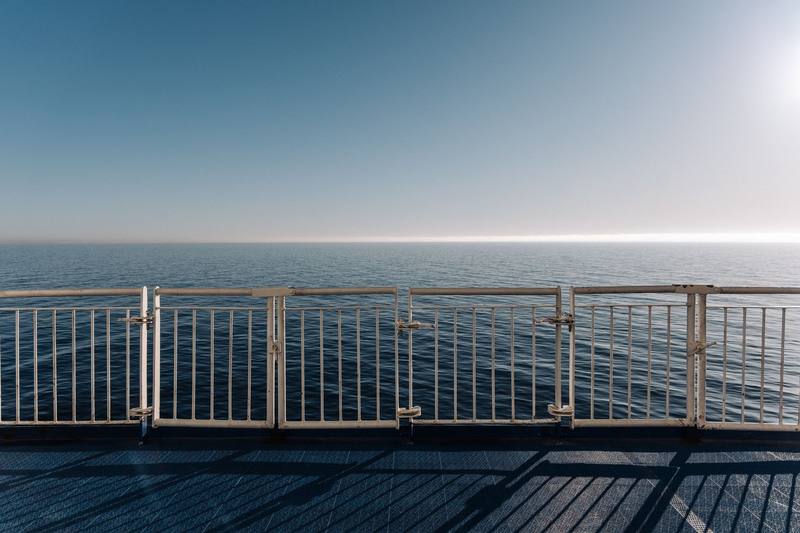
A railing that rocks when you push on it is telling you something has loosened or rotted underneath. We find out which parts are sound and which are not, then repair or replace the railing on your Everett deck. You get a plain explanation of the options before any work starts.
How to check your railing
A deck railing has one job: stop someone from going over the edge. Most railings don't fail all at once. A post works loose over a few winters, a fastener rusts through, or the bottom rail goes soft where water sits on it. By the time the railing feels wobbly, the problem underneath has usually been there for a while.
You can do a basic check yourself in about ten minutes. Walk the full length of the railing and push firmly outward on each post at about hip height. A sound post barely moves. Then look and feel for the following:
- Posts that rock, lean outward, or have gaps opening where they meet the rim joist or deck boards.
- Bolts or lag screws with rust streaks running down from them, or heads that have sunk in or backed out.
- Soft or dark wood at the bottom of posts and along the underside of the bottom rail.
- Cracked, split or missing balusters, and any gap a small child could fit through.
- Top rails that are split along the grain, or loose at the joints between sections.
- Stair railings that move when you lean on them on the way down.
What usually causes railing problems in Everett
Water is the main cause, and Everett gets plenty of it. From fall into spring the wet spells are long, so wood rarely dries out fully. Where a post sits against the rim joist or has been notched to fit, water collects in the joint and soaks into the end grain. The face of the post looks fine while it rots from the inside.
Moss and algae make it worse. On decks shaded by firs, or on the north side of a house, a green film on the top rail holds moisture against the wood for months. Homes near the water in north Everett and along the bluffs also get salt air, which speeds up corrosion on steel fasteners and older brackets.
The other common cause is how the posts were attached in the first place. Many older decks have posts held on by a pair of lag screws into the rim joist, or posts notched to half their thickness. Both can feel solid when new, then loosen as the wood shrinks and swells through the seasons. Railings that were added later, or rebuilt by a previous owner, sometimes have no blocking behind the rim, so the post has little to pull against.
People also lean on railings, hang planters from them and tie dogs to them. A railing that was marginal from the start will show it first where it gets the most use, often beside the door or at the top of the stairs.
Repair or replace
Not every wobbly railing needs to come off. Look at the posts first when you decide, because the rails and balusters are only as good as what holds them up.
Repair usually makes sense when:
- One or two posts are loose but the wood is sound, and they can be re-fastened with through-bolts and proper blocking.
- A few balusters or one section of top rail are damaged and the rest of the railing is in good shape.
- Fasteners are rusted but the wood around them is still solid.
Railing materials and how they hold up here
Pressure-treated wood is the most common railing material on Everett decks. It is affordable and easy to repair, but in this climate it needs regular cleaning and a stain or sealer to keep water out of the end grain. Cedar looks good and resists rot better than plain softwood, though it is softer and still needs care.
Composite railing systems slide a sleeve over a structural post and hold up well to moisture. They need less upkeep, but the post underneath still has to be anchored properly, and the sleeve can hide a problem until it gets serious. Aluminum railings don't rot and handle wet weather well. They suit view decks where you want thin balusters. Cable railings keep the view open toward the Sound or the mountains, but the end posts carry a lot of tension and have to be built for it.
Whatever the material, the connection to the deck frame matters most. A good railing on a weak connection is still a weak railing.
Railings on stairs and elevated decks
Everett has a lot of split-level and hillside homes where the deck comes off the main floor and sits well above the yard. On those decks the railing is the only thing between you and a long drop, so we look at it more carefully. We check the posts and also the rim joist and ledger they fasten to, because a solid post on a soft rim won't stay solid.
Stair railings take more hand pressure than any other railing on the property. A handrail you can grip, running the full length of the stairs, is easier and safer to use than a wide flat top rail, especially in wet weather when the treads are slick. If your stairs have no handrail, or one that stops partway down, it is worth fixing even if nothing is loose.
What a visit involves
When you request a deck estimate, we set a time to come out and look at the railing in person. We walk its full length, test each post by hand, and check the connections from below wherever we can reach them. We probe the base of each post and the bottom rail for soft wood, and look over the fasteners and hardware.
Then we explain what we found in plain terms: which parts are sound, which are not, and the options for fixing them. If the real problem is in the deck frame rather than the railing, we will show you where. You get an estimate before any work starts.
Most railing work is done from the deck surface, so you don't need to be home the whole time. We will need access to the deck and, for some repairs, the area underneath. When the work is finished we walk it with you and push on every post together, so you can feel the difference yourself.
FAQ
Common questions about deck railing
A railing that moves when you push on it shouldn't be trusted to hold someone's weight. Keep people from leaning on it and keep children away from that section until it has been checked. Often the fix is re-fastening the posts, but it is worth finding out before someone tests it by falling against it.
Yes, if the deck frame is in good condition. We check the rim joist and post connections first, because a new railing needs something solid to attach to. If the frame has problems, we explain them before we estimate the railing.
Many older decks have railings that are lower, or have wider gaps, than current rules allow. That doesn't always mean the railing has to come off, but it is worth knowing, especially before you sell or if small children use the deck. During a visit we can point out where your railing falls short of current requirements.
For wood railings, usually yes, though new wood will look different from weathered wood until it is stained or ages. For composite and aluminum systems, it depends on whether that product line is still made. We will tell you how close a match to expect before any work starts.
Keep moss and debris off the top rail, and restain or reseal when water stops beading on the surface. Check the base of each post and the underside of the bottom rail, because that is where water sits longest. If you catch soft spots early, the repair is usually smaller.
Get Started
Tell us what your deck is doing
Call (425) 010-0006 or send a note through the form. Tell us about the deck and what you have noticed, and we will set up a time to look at it.