Wood or composite: which is better in the Pacific Northwest?
For most decks around Everett, composite is the better choice for the walking surface because it does not rot in our long wet season, but wood still makes sense if you want a lower upfront cost or a natural look and are willing to stain and seal it regularly.
This is one of the questions we hear most from homeowners in Everett and the towns around it. The honest answer depends on your yard, your shade and how much upkeep you want to take on. Below is how we think it through on a real property.
The short answer
In a climate as wet as ours, composite decking usually holds up better over time. It does not soak up water, so it does not rot, split or splinter the way wood boards do after years of rain. You still need to wash it, but you never have to sand or stain it.
Wood is not a bad choice. Cedar and pressure-treated lumber both work well here when they are kept sealed. Wood costs less to put down, it feels natural underfoot, and a damaged board is easy to swap out. The trade is upkeep. A wood deck in the Pacific Northwest needs regular cleaning and a fresh coat of stain or sealer every few years, or the boards start to grey, check and soften.
One thing applies to both: the frame under the boards is almost always wood. Composite boards on top do not protect the joists and beams below from water, so how the frame is built matters as much as what you walk on.
What changes the answer on a real property
Shade is the biggest factor. A deck under tall firs or on the north side of a house stays damp for much of the year. Wood in those spots grows moss and algae quickly and rots faster. Composite handles the damp better, but it can still grow a green film on the surface and get slick, so it needs washing too.
Sun matters as well. On a deck with full afternoon sun, darker composite boards can get warm on bare feet in midsummer. Wood stays cooler but fades and dries out faster in direct sun, so it needs sealing more often.
How long you plan to stay in the house plays a part. If you expect to be there many more years, composite usually makes more sense because it avoids repeated staining. If you are selling soon or working with a tight budget, a well-built wood deck kept sealed is a reasonable choice.
Finally, look at the existing frame. If the joists are sound and spaced close enough together, new boards can often go on the old frame. Composite usually needs joists spaced closer than many older wood decks were built with, so a switch from wood to composite sometimes means adding joists or replacing the frame.
What is different in Everett
Everett gets long stretches of drizzle from fall through spring, with short dry summers. Wood rarely gets a chance to dry out fully for months at a time, which is what drives rot. Decks that sit close to the ground, common on ramblers and split-levels around Everett and Marysville, trap even more moisture under the boards because air cannot move freely beneath them.
Many homes here also sit on sloped lots, with second-story decks off the main floor. Those decks carry more weight on fewer posts, and the ledger board where the deck attaches to the house is a frequent spot for hidden water damage. That is true whether the boards on top are wood or composite.
Closer to the water in Mukilteo and Edmonds, salt air and wind add wear on fasteners, railings and finishes. Coated or stainless hardware is worth asking about on any deck near the Sound.
What you can check yourself
Start with a screwdriver. Press the tip into the boards, the tops of the joists and the posts, especially where wood meets wood or sits near the ground. Sound wood resists. If the tip sinks in easily or the wood feels spongy, there is rot.
Look at where the deck meets the house. You want to see metal flashing over the ledger board and no dark stains, soft wood or rust streaks below it. Check that the deck is bolted to the house, not just nailed.
Walk the deck and notice any bounce, boards that dip, or railings that move when you lean on them. On a wood deck, splash a little water on a board. If it beads, the sealer is still working. If it soaks in and darkens right away, the wood is due for staining and sealing.
Also look at drainage under and around the deck. Gutters that overflow onto the deck, or soil sloping toward the posts, will shorten the life of any deck.
When it needs a professional
Call someone if you find soft wood in the joists, beams, posts or ledger, if the deck bounces or leans, or if a railing is loose. Those are structural problems, and they need to be fixed before choosing new boards makes any sense. The same goes for a second-story deck with no visible flashing or bolts at the ledger.
Have the frame looked at before you switch from wood to composite as well. Someone needs to check the joist spacing, the condition of the framing and the footings. New boards on a tired frame just hide the problem for a while.
How this fits with the work we do
If your frame is sound and you want to keep wood, Deck Staining and Sealing is often all it needs. Cleaning, a light sanding where the surface has roughened, and a fresh coat will keep the boards shedding water for another few seasons.
If you are ready to stop staining, Composite Decking can often go on the existing frame once we confirm the joists are sound and spaced correctly. When the framing has rotted or the deck was built without proper flashing, a full rebuild usually makes more sense than new boards alone.
When we visit, we check the frame, the ledger, the posts and the railings first, then talk through wood and composite for your yard and your plans. If your current deck only needs a little work, we will tell you. Use Request a Deck Estimate to set up a time.
Related questions
It can. Composite does not rot, but dirt and pollen collect on the surface, and in shady, damp spots a green film or mildew can grow on top. Washing the deck with a soft brush and a cleaner made for composite, usually in spring and fall, keeps it under control and helps with slipperiness.
Cedar holds up better than untreated softwood and looks good, which is why it is common here. It still needs to be kept sealed in our climate, and boards in constant shade or close to the ground will wear faster. If you choose cedar, plan on regular cleaning and resealing.
Sometimes. The joists need to be sound, free of rot and spaced closely enough for the composite boards you choose, and the ledger needs proper flashing and bolts. Many older decks need extra joists added or parts of the frame replaced before composite can go on.
It depends on sun, shade and the product used, so there is no single answer. A simple test is to splash water on the boards. If the water beads, the finish is still working; if it soaks in quickly and darkens the wood, it is time to clean and reseal.
Composite boards can be slick when wet, especially if a film of dirt or mildew has built up. Keeping the surface clean makes the biggest difference. Boards with a textured surface also grip better than very smooth ones, which is worth considering for steps and shaded areas.
Services
How we can help in Everett

Deck Repair
Soft boards, loose railings, failed ledgers and rotten posts fixed so the deck is safe again.
Learn more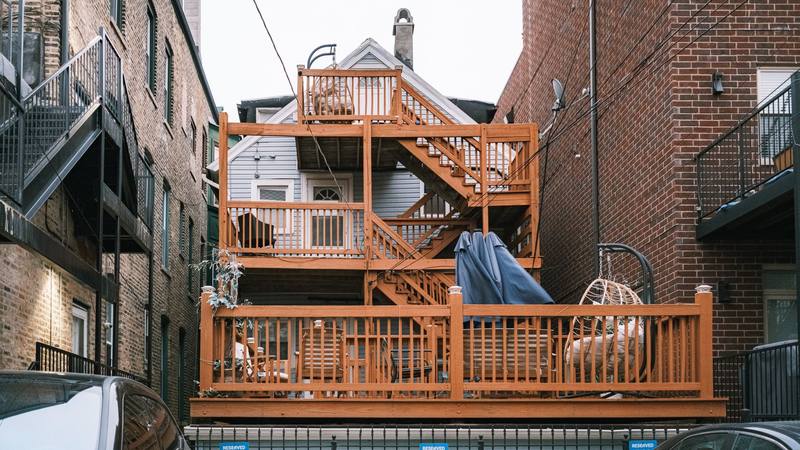
Deck Building
New decks framed and finished in wood or composite, permitted and inspected where required.
Learn more
Deck Replacement
Tired decks taken down and rebuilt, keeping sound framing where it makes sense.
Learn more
Deck Staining and Sealing
Cleaned, brightened and sealed so the wood sheds water instead of soaking it up.
Learn more
Composite Decking
Low-maintenance boards and railings on new or existing frames.
Learn more
Deck Railing
Railings replaced or added to code height, in wood, cable, aluminum or composite.
Learn more
Deck Inspection
A written look at ledger, posts, joists, fasteners and rails before you buy, sell or host.
Learn more
Rot Repair
Rotten boards, posts and beams cut out and replaced, with the moisture source addressed.
Learn more
Emergency Deck Repair
When part of your deck moves, cracks or gives way, we come out during business hours to make it safe and explain what failed.
Learn more
Get Started
Tell us what your deck is doing
Call (425) 010-0006 or send a note through the form. Tell us about the deck and what you have noticed, and we will set up a time to look at it.