Will homeowners insurance cover deck repair?
Sometimes: most policies pay for deck damage from a sudden covered event like a falling tree or a fire, but not for rot, wear or slow water damage, which is how most decks in Everett actually fail.
Many homeowners in Everett ask this when they find a soft board or a wobbly railing. The honest answer depends on what caused the damage, not on how bad it looks. Here is how to think it through before you call your insurer or a contractor.
The plain answer
A standard homeowners policy is built to cover sudden and accidental damage. If a windstorm drops a fir limb through your deck, a fire chars the boards, or a vehicle backs into the stairs, there is a fair chance the repair is covered after your deductible. If the deck failed slowly, the answer is usually no. Rot, insect damage, rusted fasteners, cupped boards, worn stain and posts sinking into wet soil are normally treated as maintenance problems, and most policies exclude them in writing.
This surprises a lot of people, because rot can feel sudden. You step on a board that seemed fine last week and your foot goes through it. But the board did not fail last week. Water got in over several seasons, the wood softened from the inside, and the last step was simply the one that found it. An adjuster will look at the cause, and with rot the cause is time.
How a deck is listed can also matter. Many policies treat a deck attached to the house as part of the dwelling, and a freestanding deck as a separate structure with its own, often lower, limit. Your policy wording decides this, so it is worth checking rather than assuming.
What changes the answer on a real property
A few things move a claim one way or the other.
The first is the cause. A covered event, such as wind, a falling tree, fire or lightning, points toward yes. Gradual moisture, poor drainage, missing flashing or age points toward no. Sometimes both are present. A tree may fall on a deck that was already rotten, and the insurer may pay for the damage the tree did while declining to pay for boards and joists that were failing anyway.
The second is the size of the repair compared with your deductible. Replacing a few boards and a section of railing may cost less than the deductible, in which case a claim gains you nothing and still goes on your record.
The third is the climate. In Everett and the rest of Snohomish County, decks spend much of the year damp. Long stretches of rain, moss in shaded corners, needles packed between boards and short drying seasons all speed up rot. That is the kind of damage policies are written to exclude. Many homes here also sit on sloped lots with decks built off an upper floor, so the ledger board where the deck meets the house takes a lot of water if the flashing above it is missing or has failed. Ledger rot is common, it is serious, and it is almost always treated as gradual.
The fourth is your own records. If you can show the deck was stained, sealed and looked after, an adjuster has less reason to blame neglect for damage that happened in a storm.
What you can check yourself
Before you call anyone, a short walk around the deck will tell you a lot.
Start with your policy. Find the declarations page and the exclusions section and look for words like wear and tear, deterioration, rot, fungus, insects and maintenance. Note your deductible and whether decks fall under the dwelling or other structures.
Then look at the deck. Press a screwdriver into boards, joist ends and the bottoms of posts. Sound wood resists. Rotten wood lets the tip sink in with little effort. Shake each railing post firmly. Look under the deck at the ledger board along the house and check for dark staining, soft spots or gaps. Check the stairs, since stringers often rot where they touch the ground.
If a storm or falling object caused the damage, take photos and video right away from several angles, with something in frame for scale, and write down the date. Keep people and pets off any part that moves or sags. Make the area safe, but hold off on permanent repairs until your insurer says it is fine, since they may want to see the damage first. Keep receipts for any temporary work you do.
When it needs a professional
Some problems are fine to watch and plan for. Others need someone to look at them soon. Call a professional if a railing moves when you lean on it, if the deck bounces or slopes, if you find soft wood at the ledger, the posts or the beams, or if the deck is raised more than a few steps off the ground. These parts carry the load, and a failure there can hurt someone.
A professional is also useful when you are not sure whether something is storm damage or old damage. A tradesperson cannot decide your claim, and you should be wary of anyone who promises the insurer will pay. What we can do is describe what we see, where the damage is, what it looks like and what likely caused it, so you and your adjuster are working from the same facts.
How this connects to our work
Two of our services come up most often with insurance questions. A Deck Inspection gives you a clear, written picture of the deck's condition: what is sound, what is failing and what is likely to fail next. Some homeowners book one after a storm to help with a claim, and others book one simply to find out where they stand before winter.
When the inspection finds rot, our Rot Repair work replaces the damaged boards, joists or posts and deals with the reason they rotted, such as missing flashing at the ledger or posts sitting in wet soil. Since rot is rarely covered, fixing it early is usually the cheapest way to keep a small problem from turning into a full replacement. If you are in Everett or a nearby town and want a second set of eyes on your deck, you can call us or request an estimate.
Related questions
Usually not. Most policies treat rot as gradual damage from moisture and age, which falls under wear and tear or maintenance exclusions. Check the exclusions section of your own policy to be sure.
Often, yes, because a falling tree in a windstorm is the kind of sudden event most policies are written for. Your deductible still applies, and the insurer may exclude any parts that were already failing before the tree came down.
If the repair costs less than your deductible or only a little more, a claim may not be worth it. Get an idea of the repair scope first, then compare it with your deductible before you contact your insurer.
It can help you and your adjuster see what was damaged and what likely caused it. An inspection describes the deck's condition. It does not decide whether the insurer will pay.
Keep everyone off the damaged area and take clear photos and video with the date noted. Make it safe, but wait for your insurer before doing permanent repairs.
Services
How we can help in Everett
Deck Repair
Soft boards, loose railings, failed ledgers and rotten posts fixed so the deck is safe again.
Learn more
Deck Building
New decks framed and finished in wood or composite, permitted and inspected where required.
Learn more
Deck Replacement
Tired decks taken down and rebuilt, keeping sound framing where it makes sense.
Learn more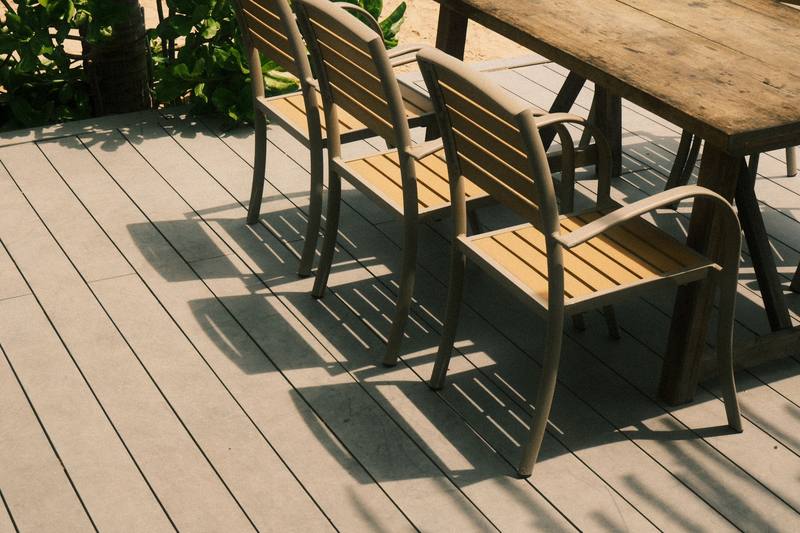
Deck Staining and Sealing
Cleaned, brightened and sealed so the wood sheds water instead of soaking it up.
Learn more
Composite Decking
Low-maintenance boards and railings on new or existing frames.
Learn more
Deck Railing
Railings replaced or added to code height, in wood, cable, aluminum or composite.
Learn more
Deck Inspection
A written look at ledger, posts, joists, fasteners and rails before you buy, sell or host.
Learn more
Rot Repair
Rotten boards, posts and beams cut out and replaced, with the moisture source addressed.
Learn more
Emergency Deck Repair
When part of your deck moves, cracks or gives way, we come out during business hours to make it safe and explain what failed.
Learn more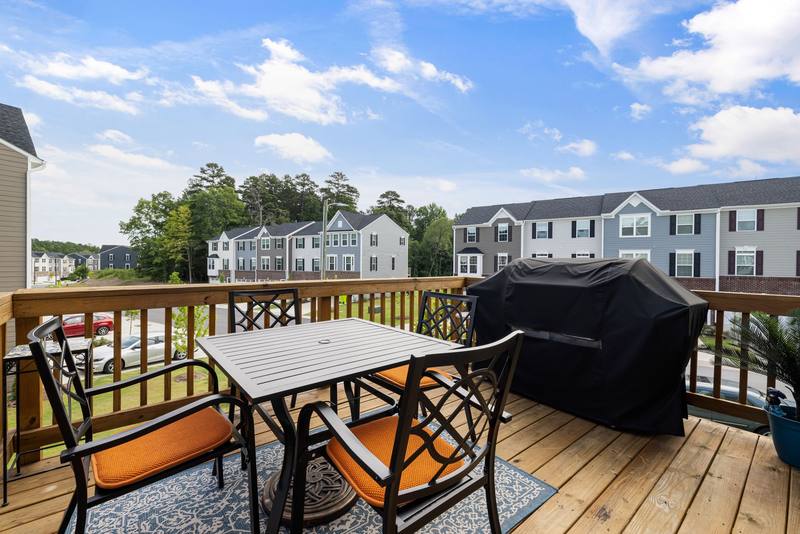
Get Started
Tell us what your deck is doing
Call (425) 010-0006 or send a note through the form. Tell us about the deck and what you have noticed, and we will set up a time to look at it.