What causes deck rot and how do you stop it?
Deck rot is fungus breaking down wood that stays wet, and you stop it by removing the soft wood and changing whatever keeps the replacement from drying out.
Most deck rot starts quietly, in places you can't see from a lawn chair. In Everett, long wet seasons and shaded yards give it plenty of chances. Here is what causes it, where to look, and what to do once you find it.
The plain answer
Deck rot is a fungus feeding on wood. The fungi that break down wood need four things: moisture, air, mild temperatures and the wood itself. Take away moisture and they stop. That is why a board that gets rained on and then dries out can last for decades, while a board that stays damp for weeks at a time goes soft.
So rot almost always starts where water collects and can't escape. The usual places are the tops of joists under the deck boards, the ledger board where the deck is fastened to the house, the bottoms of posts sitting in soil or on flat concrete, stair stringers where they touch the ground, and the cut ends of boards, where the end grain soaks up water like a bundle of straws.
Stopping rot comes down to two jobs. First, remove the wood that has already gone soft, because it will not get its strength back. Second, change the conditions so the new wood can dry between rains. Painting or sealing over rotten wood does not stop it. The fungus keeps working underneath, out of sight.
Why Everett decks rot where they do
Everett gets a long stretch of wet weather from fall through spring, and much of it is drizzle and overcast days rather than heavy storms followed by sun. Wood gets wet and stays wet. Evaporation is slow, so the moisture that gets into a joint or a fastener hole can sit there for months.
Many properties here have tall firs and cedars nearby. Shade keeps deck surfaces cool and damp, and needles pack into the gaps between boards. Once those gaps fill, water can no longer drain through the deck. It sits on top of the joists instead, which is exactly where you don't want it. Moss and algae on the walking surface are a sign that the deck is not drying out.
Sloped lots are common too. A deck might be eight feet off the ground on one side and close to grade on the other. The low side gets little airflow, and the framing there tends to rot first. On older homes, the ledger board was often bolted straight to the house with no flashing above it, so water runs down the siding and into the joint between the ledger and the rim of the house.
Pressure-treated lumber helps, but it resists rot rather than preventing it. When a builder cuts a treated board, the fresh end has much less protection unless it gets brushed with an end-cut preservative. Cedar decks hold up well where the wood is dense heartwood, but lighter sapwood mixed into the same boards can soften much sooner.
What you can check yourself
You need a flat-head screwdriver, a flashlight and a dry afternoon. Push the tip of the screwdriver into the wood at an angle. Sound wood resists and the tip barely goes in. Rotten wood lets the tip sink in easily, or it breaks away in short, crumbly pieces instead of long splinters.
Probe these spots: the ends of deck boards, the wood around screws and nails, the tops of joists from underneath, the full length of the ledger board, the bottom few inches of each post, and the lower ends of stair stringers. If you can safely get under the deck, look up at the joists where the boards sit on them.
Other warning signs include dark patches that stay dark even in dry weather, mushrooms or white thread-like growth, boards that flex more than their neighbours, fasteners that spin or have rusted badly, and posts that are no longer straight. Inside the house, a water stain on the wall or ceiling near where the deck attaches can point to a leaking ledger.
Some upkeep makes a real difference. Clear the gaps between boards with a putty knife each fall. Put planters on feet so water can drain under them. Move outdoor rugs in the wet months. Trim back shrubs touching the deck, and make sure no downspout empties onto it or against a post.
When it needs a professional
A single soft deck board with sound framing underneath is often something a handy homeowner can replace. The picture changes once rot reaches the parts holding the deck up: the ledger, joists, beams, posts and stair stringers.
Call someone if the deck feels bouncy or sags, if there is a gap opening between the deck and the house, if a post leans or has gone soft at the base, if the wood around the ledger bolts is soft, or if you find soft spots on several joists rather than one. Please don't test a suspect deck by jumping on it. Keep people off the area until it has been looked at.
Ledger rot needs particular attention because water that rots the ledger can also get into the house framing behind it. That is not always visible from outside, and it is the most common reason a deck pulls away from a home.
Repair or replace
If the rot is limited to a few boards, a joist or two, or one post, a repair is usually the sensible choice. Damaged boards come out, a weak joist can be replaced or reinforced with a new joist fastened alongside it, and a rotted post can be swapped for a new one set on a proper raised base so its end is not sitting in water.
When rot runs through much of the framing, or the ledger and the joists attached to it are both soft, replacing the deck often makes more sense than patching it one piece at a time. Composite boards do not rot, but the framing under them is still wood, so the same drainage and flashing details matter either way.
How we handle rot on a real deck
When we come out for a Deck Inspection, we probe the framing from underneath, check the ledger and its flashing, look at post bases and stair connections, and tell you plainly what is sound and what is not. If something can wait, we will say so.
Rot Repair means cutting out the soft wood, replacing it with treated lumber, sealing the cut ends, and fixing whatever let the water in: adding flashing above the ledger, putting joist tape on the tops of joists, raising post bases, or opening up drainage. Once the wood is sound, staining and sealing helps the surface boards shed water through Everett's wet months.
Related questions
You can stop it spreading, but you can't make soft wood strong again. The rotten section needs to come out and be replaced. Then the source of the water has to be fixed, or the new wood will go the same way.
It helps. A good finish lets the walking surface shed water and slows cracking that lets moisture in. It does not protect the joists underneath or end grain hidden inside joints, so it works best alongside good drainage and flashing.
No. It resists rot far better than untreated lumber, but wood that stays wet for long periods can still decay. Cut ends are the weak point if they were not treated during the build.
Twice a year is a good habit: once in early fall before the wet season, and again in spring after it. Probe the board ends, ledger, post bottoms and stair stringers, and clear debris from between the boards while you are at it.
The composite boards themselves won't rot, but the framing underneath is still wood. Joists, beams and the ledger still need flashing, joist tape and drainage to stay dry. A composite deck on rotting framing has the same structural problem as a wood one.
Services
How we can help in Everett
Deck Repair
Soft boards, loose railings, failed ledgers and rotten posts fixed so the deck is safe again.
Learn more
Deck Building
New decks framed and finished in wood or composite, permitted and inspected where required.
Learn more
Deck Replacement
Tired decks taken down and rebuilt, keeping sound framing where it makes sense.
Learn more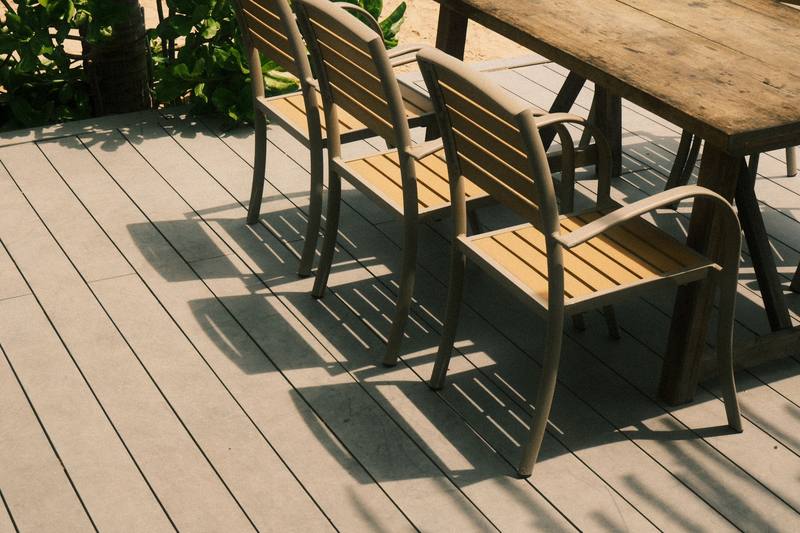
Deck Staining and Sealing
Cleaned, brightened and sealed so the wood sheds water instead of soaking it up.
Learn more
Composite Decking
Low-maintenance boards and railings on new or existing frames.
Learn more
Deck Railing
Railings replaced or added to code height, in wood, cable, aluminum or composite.
Learn more
Deck Inspection
A written look at ledger, posts, joists, fasteners and rails before you buy, sell or host.
Learn more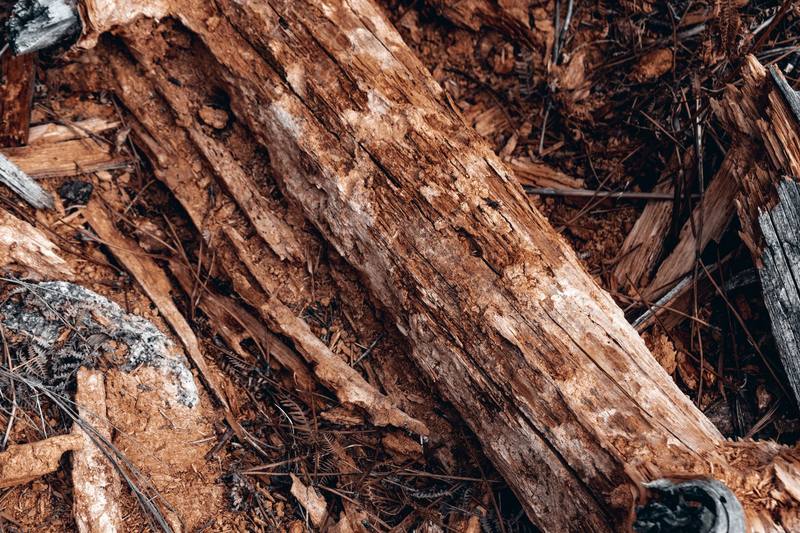
Rot Repair
Rotten boards, posts and beams cut out and replaced, with the moisture source addressed.
Learn more
Emergency Deck Repair
When part of your deck moves, cracks or gives way, we come out during business hours to make it safe and explain what failed.
Learn more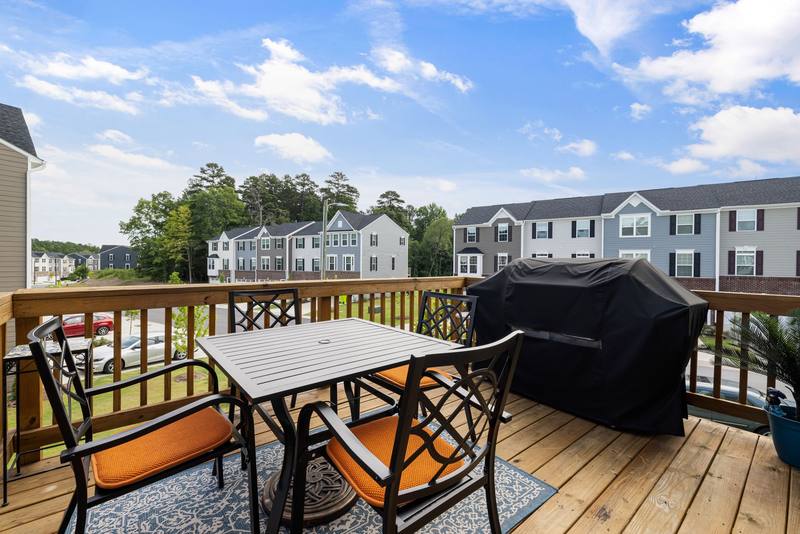
Get Started
Tell us what your deck is doing
Call (425) 010-0006 or send a note through the form. Tell us about the deck and what you have noticed, and we will set up a time to look at it.