How often should a deck be sealed in Western Washington?
Most wood decks in Western Washington need a fresh coat every one to three years, and the water drop test tells you when yours is due.

Our wet winters are hard on wood decks, so the finish matters more here than in drier places. A deck that goes into the rainy season with a worn finish soaks up water for months. Here is how to tell when yours needs another coat, and what can change the answer.
The short answer
For most wood decks in Western Washington, plan on resealing every one to three years. A clear water-repellent sealer sits at the short end of that range and often needs a fresh coat every year. A semi-transparent stain usually lasts two to three years on the floor boards. Railings and other vertical surfaces hold a finish longer than the walking surface does, because rain runs off them and feet do not scuff them.
Treat that range as a starting point. The better rule is to reseal when the deck shows it needs it, and our climate shows you sooner than most. Around Everett, the long wet stretch from fall through spring does more harm to an unprotected deck than the summer sun. So the goal is simple: go into October with a finish that still sheds water.
What changes the answer on a real property
Sun and shade come first. A south-facing deck in full sun loses its finish fastest, because sunlight breaks the coating down and turns the wood grey. A north-facing deck under tall firs or cedars has the opposite problem. It stays damp, collects needles and grows moss and mildew. Both need attention, but for different reasons.
The wood matters too. Most decks here are built from western red cedar or pressure-treated lumber, and the two take a finish differently. New pressure-treated boards often need to dry out for a season before they will absorb sealer properly. Cedar soaks it up quickly and can wear thin just as quickly.
Then there is the product used last time. Clear sealers keep water out but do little against sun. Pigmented stains block more sun and last longer. Solid stains hold up well on railings but can peel on floor boards, and peeling finish has to come off before you can recoat.
Use makes a difference. A deck that gets a grill, a dog and kids every day will wear through at the stairs and the door threshold long before the far corners do.
Debris and drainage also count. Leaves and needles packed into the gaps between boards hold water against the wood all winter. A deck that gets swept clean in the fall keeps its finish longer than one that does not.
What you can check yourself
The easiest test is a few drops of water. Sprinkle some on the boards in three places: a sunny spot, a shady spot, and the area by the door where people walk most. If the water beads up, the finish is still working. If it soaks in and darkens the wood within a minute or so, it is time to reseal.
A few other signs are worth a look. Boards that have gone grey and faded, especially on the sunny side. Fine cracks running along the grain. Green or black growth in shaded areas or along board edges. Finish that is flaking or peeling, usually on stairs or on floor boards with a solid stain. Nail heads that have lifted above the surface.
While you are out there, push a screwdriver gently into a few boards near the house, into the stair stringers and into the cut ends of boards. Sound wood pushes back. If the tip sinks in easily or the wood feels spongy, you have rot, and sealing over it will not fix it.
If you plan to do the sealing yourself, wait for a dry spell. The wood has to be clean and dry for a couple of days before you apply anything and for a day or two after. In Western Washington that usually means late spring through early fall.
When it needs a professional
Plenty of homeowners can wash and reseal a small, sound deck themselves. Call someone in when the old finish is peeling and has to be stripped or sanded off before a new coat will stick. The same goes for soft or spongy wood, especially at posts, joists, or the ledger board where the deck attaches to the house.
Get a second set of eyes on a deck that sits high off the ground, has long stair runs, or has railings that move when you lean on them. It also helps if you do not know what product went on last time and want to avoid putting an incompatible coat on top. And if moss and mildew come back every year no matter how often you clean, there may be a drainage or airflow problem underneath.
When we visit, we start with a walk around and under the deck. We look at the boards, the framing, the fasteners and the railing, test the existing finish, and check where water is pooling. Then we tell you plainly whether the deck just needs cleaning and sealing or whether repairs should come first.
How sealing fits with repair work
Sealing protects good wood. It cannot bring back wood that has already started to rot. That is why, when a deck needs both, we treat Deck Staining and Sealing and Rot Repair as parts of the same job. Swap out the soft boards or reinforce a damaged joist before the finish goes on, and the new coat ends up protecting wood that will last.
If your deck has gone several winters without a fresh coat, have someone look over the frame before you spend a weekend or any money on the surface. On many older decks in Everett and the nearby towns, the boards look rough but the framing is sound, and a good cleaning and seal is all they need. On others, the walk-through finds a problem that is easier to fix now than after another rainy season.
If you would like us to take a look at yours, call (425) 010-0006 or request a deck estimate and we will find a time that works for you.
Related questions
Usually not. New pressure-treated lumber is often still wet from treatment and will not absorb a sealer well. Do the water drop test: once water soaks into the boards instead of sitting on top, the wood is ready for a finish.
Late spring through early fall, during a dry spell. The boards need to be clean and dry before you start, and the finish needs a day or two without rain to cure. Mild, overcast days are better than hot afternoons in direct sun, because the finish can dry too fast in strong sun.
Most composite boards do not need sealing the way wood does. They do need regular cleaning, especially in shaded spots where mildew grows. The wood framing underneath still needs looking after, so check it from time to time.
No. A sealer applied over moss or mildew traps it against the wood and will not bond properly. Clean the deck with a deck cleaner made for the job, rinse it, let it dry fully, and then seal.
A clear sealer mainly keeps water out and does little to block sunlight, so it wears faster. A stain has pigment that shields the wood from sun as well as water, and it usually lasts longer. Many products combine the two, so read the label for what it actually claims to do.
Services
How we can help in Everett

Deck Repair
Soft boards, loose railings, failed ledgers and rotten posts fixed so the deck is safe again.
Learn more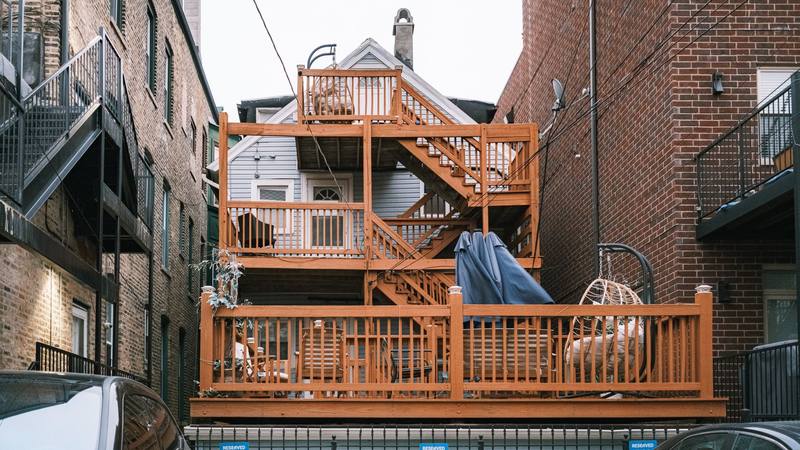
Deck Building
New decks framed and finished in wood or composite, permitted and inspected where required.
Learn more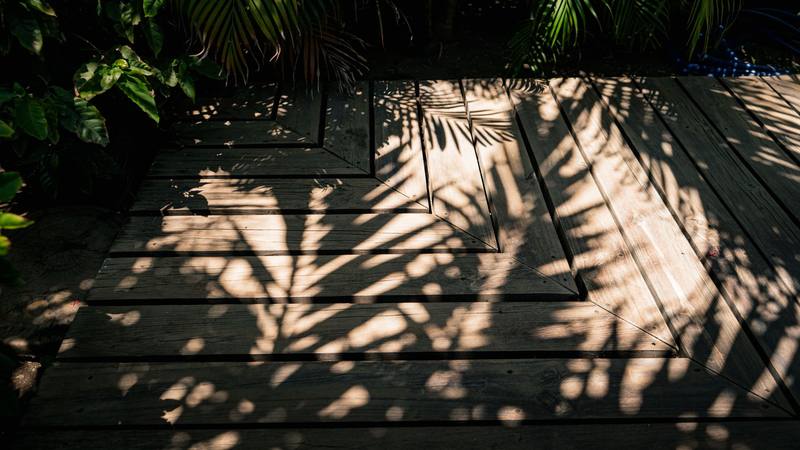
Deck Replacement
Tired decks taken down and rebuilt, keeping sound framing where it makes sense.
Learn more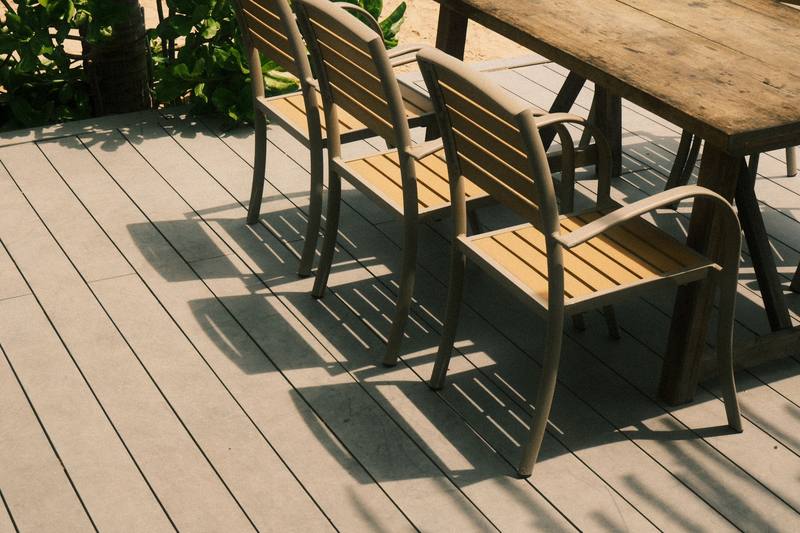
Deck Staining and Sealing
Cleaned, brightened and sealed so the wood sheds water instead of soaking it up.
Learn more
Composite Decking
Low-maintenance boards and railings on new or existing frames.
Learn more
Deck Railing
Railings replaced or added to code height, in wood, cable, aluminum or composite.
Learn more
Deck Inspection
A written look at ledger, posts, joists, fasteners and rails before you buy, sell or host.
Learn more
Rot Repair
Rotten boards, posts and beams cut out and replaced, with the moisture source addressed.
Learn more
Emergency Deck Repair
When part of your deck moves, cracks or gives way, we come out during business hours to make it safe and explain what failed.
Learn more
Get Started
Tell us what your deck is doing
Call (425) 010-0006 or send a note through the form. Tell us about the deck and what you have noticed, and we will set up a time to look at it.