How do I know if my deck is unsafe?
A deck is unsafe if the framing is soft or rotted, the ledger board is pulling away from the house, the posts or footings have shifted, the railing moves when you push on it, or the metal connectors are rusted through.
Most deck problems start below the boards, where you don't look very often. In Everett the damp months run long, so water has plenty of time to work into the wood. Here is how we would check a deck if it were our own, and how to tell when it needs a closer look.
The short answer
A deck is unsafe when the parts holding it up can no longer carry the load. That means the posts, beams, joists, the ledger board fastened to your house, and the hardware that ties them together. A cupped or grey deck board looks bad, but it is usually a cosmetic problem. A soft joist or a ledger with gaps behind it is a structural problem, and that is where the risk is.
The warning signs are usually physical. The deck bounces or sways when you walk across it. Boards feel spongy underfoot. The railing gives when you lean on it. Nails or screws are backing out. A gap is opening between the deck and the house. If you notice any one of these, stop putting weight on that area and have it checked before the next party or barbecue.
What changes the answer on a real property
Age is part of it, but it isn't the whole story. A newer deck built without flashing over the ledger can rot sooner than an older deck that was built carefully. The things that matter most are how water moves around the deck, how close the framing sits to the ground, and how the deck was attached to the house in the first place.
Everett's climate is hard on wood. Months of rain, heavy morning fog off the Sound and long stretches without much sun keep the framing damp. Moss and algae grow on shaded boards and hold moisture against the wood. Decks on the north side of a house, or under tall firs and cedars, tend to stay wet longest. On a lot of older homes in north and south Everett, decks were added years after the house was built, sometimes by a previous owner, and the attachment and footings don't always match how the deck is used today.
Height changes things too. A low deck close to the ground has poor airflow underneath, so the joists stay wet and rot from below. A tall deck on a sloped lot puts more strain on the posts and bracing, and a failure there has more serious consequences. A hot tub, a heavy planter or an outdoor kitchen adds weight the original framing may not have been designed for.
What you can check yourself
Do this on a dry day with a flashlight and a flat-head screwdriver. Start underneath if you can get there safely. Push the screwdriver into the joists, beams and posts, paying close attention to the ends and anywhere wood touches the ground or a metal bracket. Sound wood resists. Rotted wood lets the tip sink in easily, or it crumbles.
Look at the ledger board where the deck meets the house. You want to see metal flashing over the top of it and solid bolts or lag screws through it. Rust streaks down the siding, dark staining on the ledger, or a visible gap are all reasons to call someone. Check the metal joist hangers and post brackets too. Light surface rust is common. Flaking, swelling, or metal you can push a screwdriver through is not.
Then check the railing. Grab the top rail at several points and push and pull firmly. It should feel solid, with no rocking at the posts. Look at the stairs as well: loose treads, cracked stringers and a wobbly handrail cause plenty of falls. Finally, walk the whole deck slowly and notice any spots that feel soft, sag, or bounce more than the rest.
When it needs a professional
Some findings are past the point of a homeowner fix. Rot in a joist, beam or post, a ledger pulling away from the house, posts that are leaning, footings that have sunk or cracked, and hardware that has rusted through all need someone who can look at the whole structure. Here, one bad joist often means water has been getting to its neighbours too.
A professional Deck Inspection covers what is hard to see from a walk-around. We check the ledger attachment and flashing, probe the framing for rot, look at the footings and post connections, test the railing and stairs, and look at how water drains around the deck and the house. You get a plain account of what is sound, what needs attention now, and what can wait. If we find something that isn't safe to use, we will tell you directly.
Repair or replace
Many unsafe decks can be repaired. If the rot is limited to a few joists or a section of decking, Rot Repair means removing the damaged wood, sistering or replacing the framing, and fixing the water problem that caused it. Loose railings can be rebuilt with proper post attachment. A ledger can sometimes be re-flashed and re-fastened without tearing out the whole deck.
Replacement makes more sense when the rot is widespread, the ledger and framing are both failing, or the footings were never adequate. At that point you are paying to repair most of the structure anyway. If you are replacing, it is worth thinking about materials that hold up better in the damp, and about whether the layout still suits how you use the space. Either way, the decision should come from what the framing actually shows, not from the condition of the surface boards.
Related questions
Check it yourself every spring, after the wet season, using the steps above. A professional inspection is worth getting if the deck is older, if you have just bought the house, or if you plan to add weight like a hot tub. Get one sooner if you find soft wood or movement.
Not always, but it is a sign worth taking seriously. Bounce can come from joists that are spaced too far apart or are undersized, or from framing that is starting to rot. Either way, have someone look at the framing before you keep using it heavily.
Only if the framing underneath is sound. Rotten boards often mean water has been sitting on the joists below them too. Probe the joists before you buy new boards, or you may end up putting new decking on a weak frame.
Moss alone doesn't make a deck unsafe, but it holds moisture against the wood and speeds up rot. In Everett it is worth cleaning off moss each year and checking the boards and framing in the shadiest areas. Staining and sealing afterward helps the wood shed water.
Services
How we can help in Everett
Deck Repair
Soft boards, loose railings, failed ledgers and rotten posts fixed so the deck is safe again.
Learn more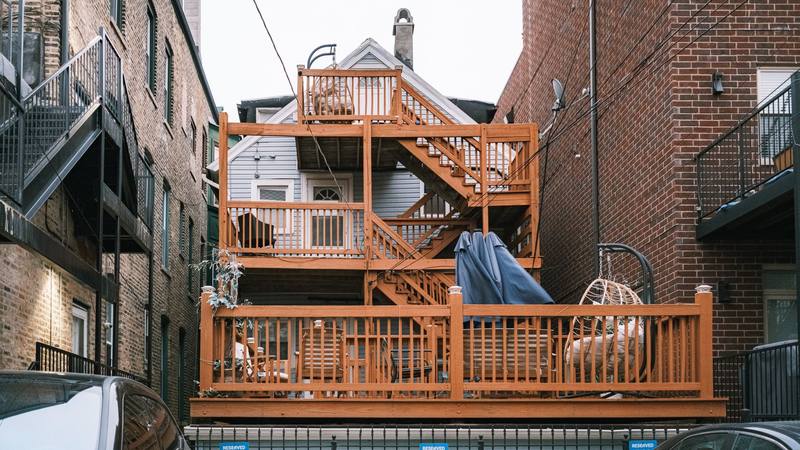
Deck Building
New decks framed and finished in wood or composite, permitted and inspected where required.
Learn more
Deck Replacement
Tired decks taken down and rebuilt, keeping sound framing where it makes sense.
Learn more
Deck Staining and Sealing
Cleaned, brightened and sealed so the wood sheds water instead of soaking it up.
Learn more
Composite Decking
Low-maintenance boards and railings on new or existing frames.
Learn more
Deck Railing
Railings replaced or added to code height, in wood, cable, aluminum or composite.
Learn more
Deck Inspection
A written look at ledger, posts, joists, fasteners and rails before you buy, sell or host.
Learn more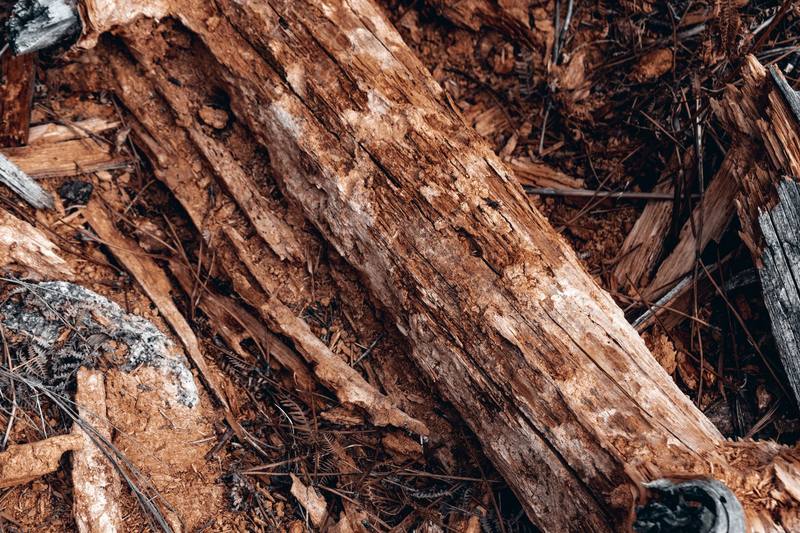
Rot Repair
Rotten boards, posts and beams cut out and replaced, with the moisture source addressed.
Learn more
Emergency Deck Repair
When part of your deck moves, cracks or gives way, we come out during business hours to make it safe and explain what failed.
Learn more
Get Started
Tell us what your deck is doing
Call (425) 010-0006 or send a note through the form. Tell us about the deck and what you have noticed, and we will set up a time to look at it.